Most golfers pack away their clubs when the frost hits. Assuming the “off-season” means shorter drives and sluggish play. But here’s a little secret for the brave souls hitting the links this May: the ground is on your side.
Contrary to popular belief, winter conditions can lead to some of your longest total distances of the year. Let’s break down why the winter landscape changes the game and how you should adjust your gear to master it.
The Science of the “Winter Roll”
While cold air is technically denser (which can slow the ball down slightly in flight), the ground conditions tell a different story. In many regions, winter dormancy and lower moisture levels lead to much firmer fairways compared to the lush, soft “velvet” of mid-December.
- Summer: The ball hits the grass and “checks up” or stops quickly due to moisture and thick turf.
- Winter: The ball hits the dormant, firm turf and takes off like it’s on a runway.
If you can keep your launch angle consistent, you’ll likely see your total distance increase as the ball scampers an extra 18 to 25 meters down the frozen fairway.
Managing Reactions on the Greens
The challenge of winter golf isn’t getting the distance—it’s controlling it. Firm fairways are great for the ego on the tee box, but firm greens are a nightmare for your approach shots.
When the greens harden up, that high-arching 7-iron that usually sticks close to the pin might now bounce over the back of the green and into the woods. Your margin for error shrinks significantly when the “brakes” are removed from the course.
The Pro Adjustment: Switch Your Ball
If you find that the extra roll is making the game unpredictable, it’s time to look at your equipment—specifically, your golf ball.
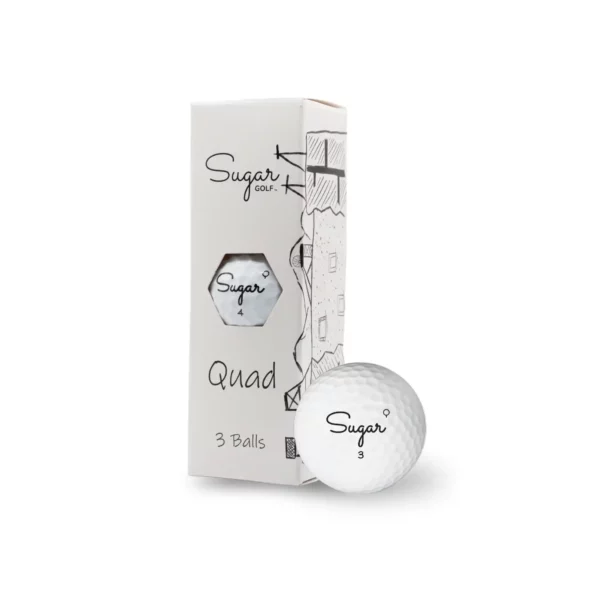
The Recommendation: Switch to a 3-piece urethane ball.
Most golfers use 2-piece “distance” balls in the winter to combat the cold, but if the ground is already giving you free yardage, you don’t need a rock-hard ball. Here’s why the 3-piece is your secret weapon:
- Increased Spin: A 3-piece ball offers higher spin rates on approach shots. This helps “grab” those firm winter greens.
- Greenside Control: It compensates for the lack of turf friction, giving you more “feel” on chips and pitches.
- Counteracting the Roll: If you find the ball is running away from you on the fairway, the softer cover of a 3-piece ball provides a slightly more controlled interaction with the ground.
Final Thoughts
Winter golf doesn’t have to be a struggle against the elements. If you embrace the firmer ground and swap out your ball to maintain control, you might just find yourself outdriving your summer self.
Ready to test the winter roll? Grab a sleeve of 3-piece balls and head to the first tee!